
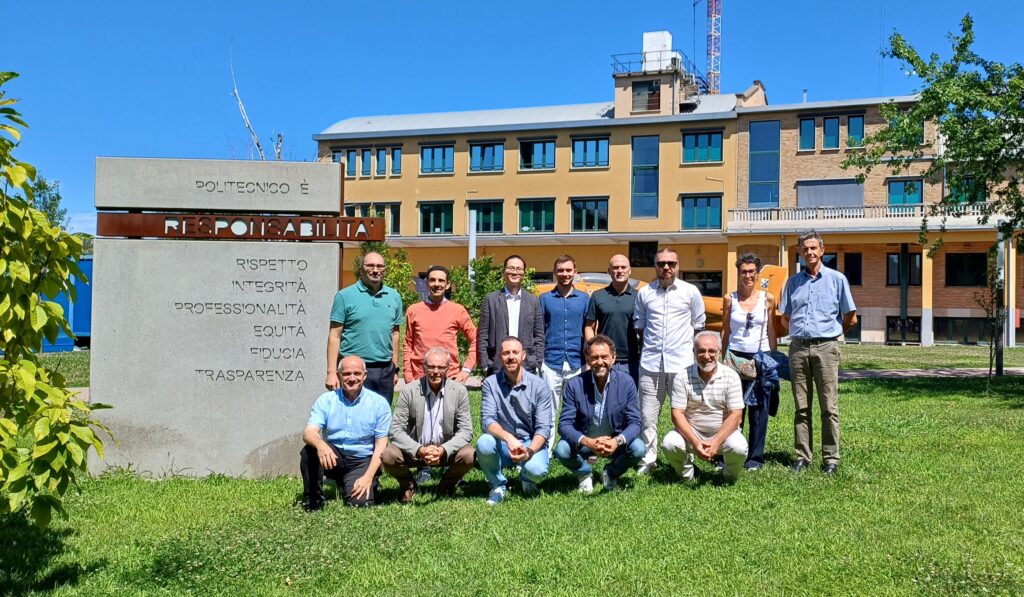
We’re excited to share the latest updates from the FLEXHYON project, following two highly productive days at our #2 General Assembly Meeting held on July 7-8 in Milan, Italy. Hosted by the prestigious Politecnico di Milano, this gathering brought together our consortium of nine committed partners to drive forward FLEXHYON – a Horizon Europe initiative that is set to transform industrial heating.
A collaborative push towards process intensification
FLEXHYON is pioneering the deployment of flexible hybrid electrical systems – combining microwave, heat pumps, and ultrasound technologies – to create more sustainable, energy-efficient processes in sectors like ceramics, biomass, and feed production. The overarching goal? To enable on-demand industrial heating that significantly reduces greenhouse gas emissions and meets the evolving needs of global markets.
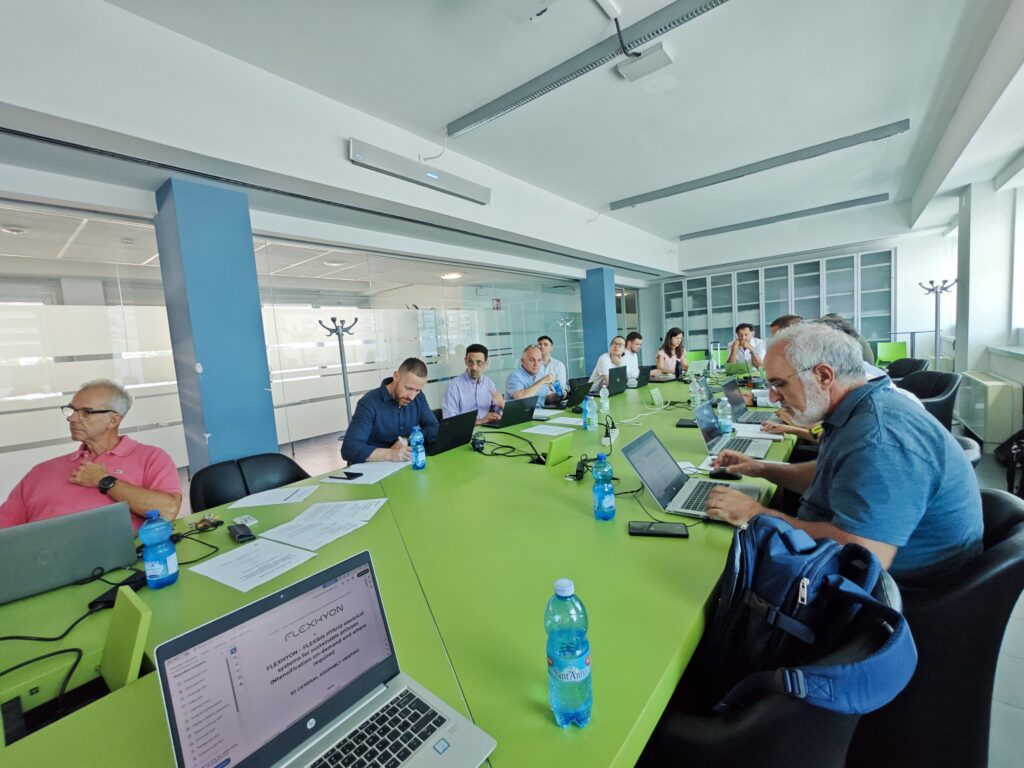
Key highlights from Milan
Over the two days, our consortium engaged in dynamic discussions, shared cutting-edge insights, and explored practical pathways for implementation. Some standout moments included:
- A forward-looking seminar on microwave (MW) heating technology, examining its potential to revolutionize traditional thermal processes by improving energy efficiency and precision.
- In-depth reviews of Work Packages 1-5 (WP1-WP5), which covered advances in prototype development, testing methodologies, sustainability assessments, project management, and communication strategies.
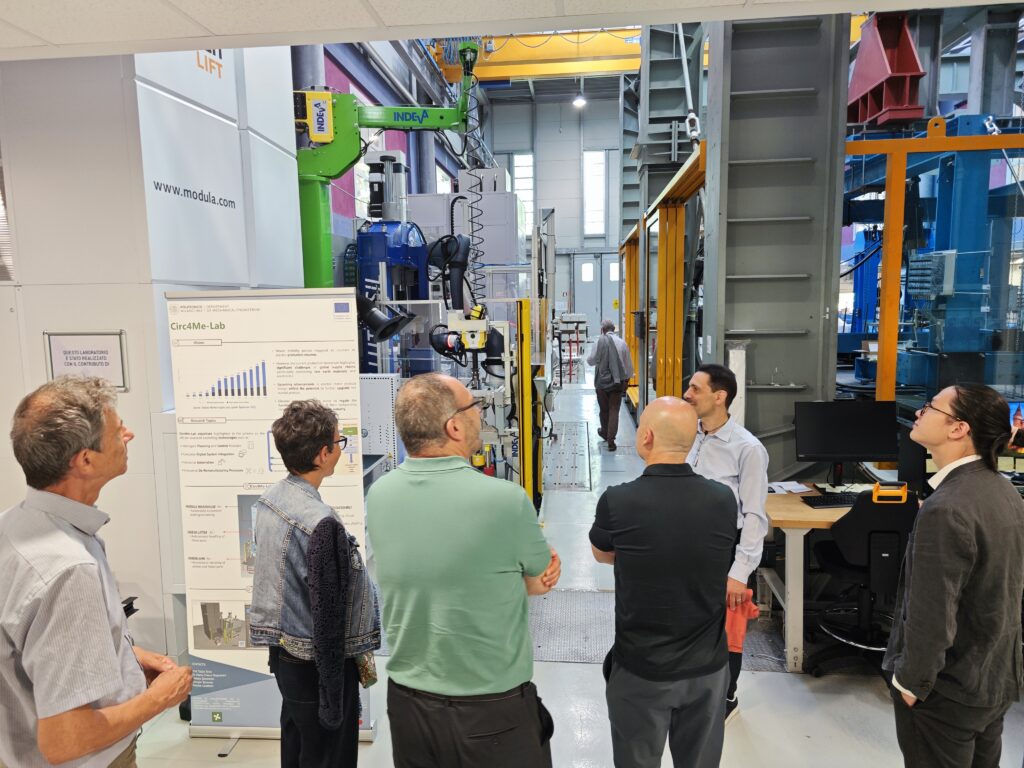
- Hands-on lab visits, offering participants a vivid look at how our technical objectives are being brought to life through innovative experimentation and early-stage demonstrations.
Looking ahead: promising early results
We’re particularly enthusiastic about the preliminary tests conducted in the first six months of the project. These early evaluations have already provided valuable insights into optimizing energy use and process parameters for various material drying applications. Stay tuned – we’ll soon be sharing more detailed findings on these tests and what they mean for the future of industrial heating.