
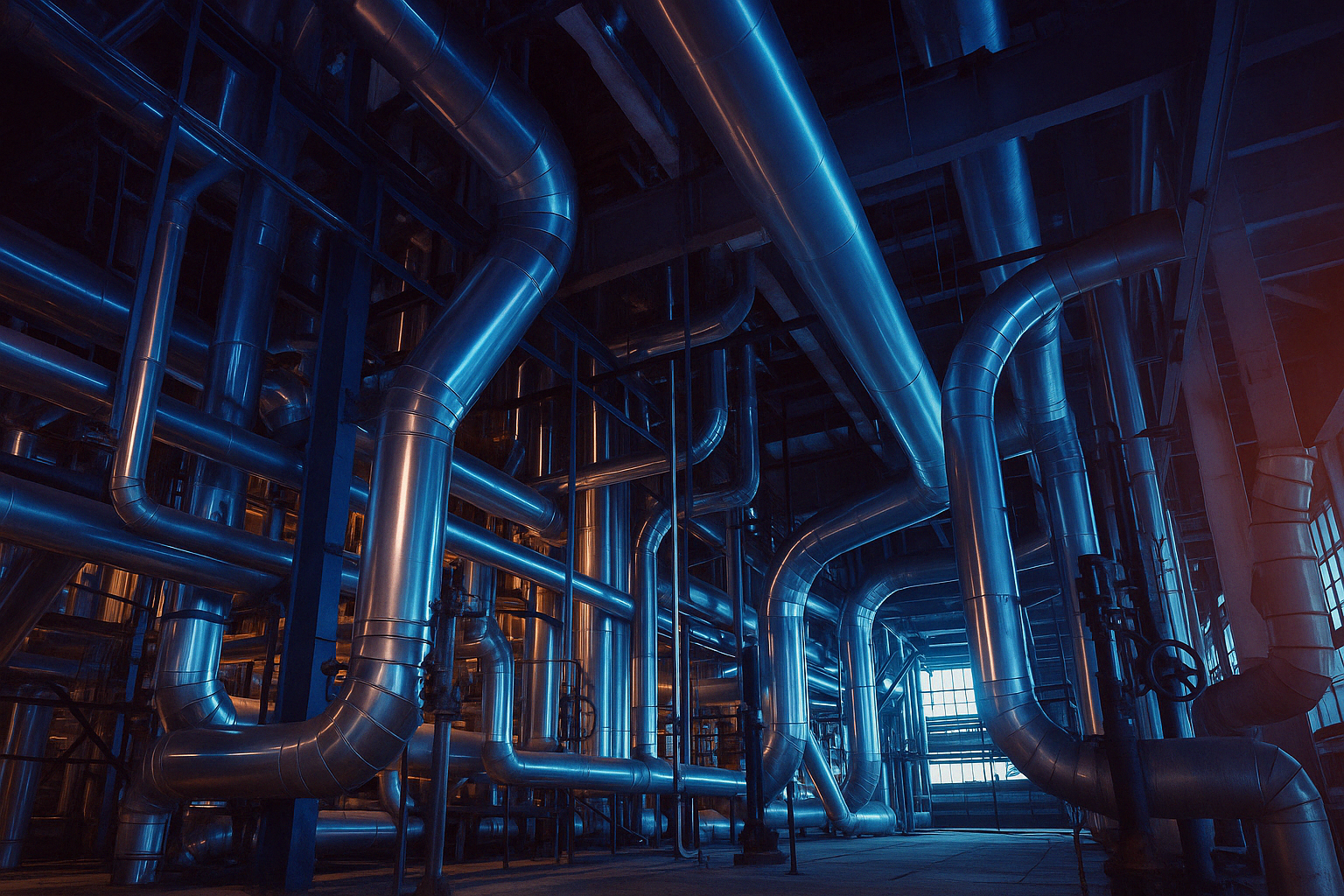
Industrial process heat is one of the least visible yet most critical foundations of modern manufacturing. More than half of industrial energy consumption in Europe is used to generate heat, yet this essential part of the energy system remains largely dependent on fossil fuels. This heat is required to dry materials, distil liquids, extract valuable compounds, or treat powders and solids in sectors such as food production, chemicals, ceramics, minerals, and advanced materials. Without reliable access to process heat, industrial production simply cannot function.
At the same time, industrial process heat is one of the hardest parts of the energy system to decarbonise. Across Europe, most industrial heat is still generated by burning fossil fuels, while electricity plays only a minor role. This creates a major challenge, but also a major opportunity. If industrial heat can be transformed, the impact on emissions reduction would be significant. There is a useful parallel with homes: domestic heating has begun shifting from gas boilers to heat pumps that move heat rather than create it through combustion. And in the kitchen, microwaves apply energy directly to the product instead of heating the air around it. Industrial process heat is now poised for the same transition – from burning gas to using controllable, electrified heat sources that improve efficiency, precision, and flexibility.
Why industrial heat is a climate issue, not just an engineering challenge
The European Union has committed to becoming climate-neutral by 2050, with a strong emissions reduction target already set for 2030. Achieving these goals is often associated with renewable electricity, electric mobility, or energy-efficient buildings. However, these measures alone are not enough.
Industry plays a central role in Europe’s energy use and emissions, and a large share of industrial emissions is directly linked to how heat is produced. In simple terms, even if power generation becomes fully renewable and transport emissions fall sharply, climate neutrality will remain out of reach unless industrial heat is addressed.
This is why process heat is increasingly recognised as a strategic climate topic. It sits at the intersection of emissions reduction, industrial competitiveness, and long-term energy security.
The overlooked importance of low- and medium-temperature heat
When people think about industrial heat, they often imagine extremely high temperatures used in steel, glass or cement production. In reality, a large share of industrial heat demand lies in low- and medium-temperature ranges. These include drying lines, steam generation, thermal treatment, and extraction processes that appear repeatedly across many value chains.
These temperature ranges are especially important because they offer some of the best opportunities for electrification. Technologies such as industrial heat pumps can already provide efficient heat at these levels, particularly when waste heat or ambient heat can be reused. For many industries, this makes low- and medium-temperature processes the logical starting point for reducing dependence on gas combustion and other fossil fuels.
However, electrification is rarely a simple one-to-one replacement. Industrial processes are complex, tightly integrated, and designed for reliability. Any new heating solution must deliver the right temperature, at the right speed, without disrupting production or affecting product quality. Electrified systems can also enable tighter temperature control and repeatability, improving process consistency.
Why electrification is promising, but not simple
On paper, electrifying industrial heat sounds straightforward: replacing a fossil-fired boiler or burner with an electric alternative. In practice, production sites need far more than a new heat source. Industrial processes are designed to operate continuously and reliably, often for decades, and operators cannot afford interruptions, unstable temperatures or unpredictable system behaviour, regardless of environmental benefits.
Electrified heating solutions must therefore integrate seamlessly with existing process steps, respond rapidly to changing operating conditions, and deliver stable, efficient performance over long periods. Only by preserving, or improving, process reliability, product quality and operational continuity can electrification succeed in real industrial environments.
No single technology can meet all these requirements on its own. Some processes benefit from fast, direct heating. Others depend on continuous, energy-efficient heat supply. Many require a combination of both. This is why hybrid approaches are gaining attention as a realistic pathway for industrial decarbonisation.
Where FLEXHYON fits in

FLEXHYON addresses this challenge with a practical question: how can industry replace fossil-based process heat with flexible, electrified solutions that work under real production conditions?
Instead of promoting a single technology, the project focuses on hybrid electrified heating systems that combine complementary approaches. These include technologies such as microwave heating, industrial heat pumps, and ultrasound for selected processes. Each has specific strengths, but the real innovation lies in how they can work synergically together to match industrial needs.
FLEXHYON targets industrial processes that are widely used across sectors, such as drying, distillation, and extraction. These processes occur every day in countless factories and often represent a significant share of energy consumption. If electrified solutions can be made reliable and efficient here, the potential impact extends far beyond individual pilot sites.
The aim is not electrification in theory, but electrification that industry can actually adopt. That means improving energy efficiency, reducing emissions, and increasing flexibility, without forcing factories to redesign their entire production lines.
From concepts to real industrial solutions
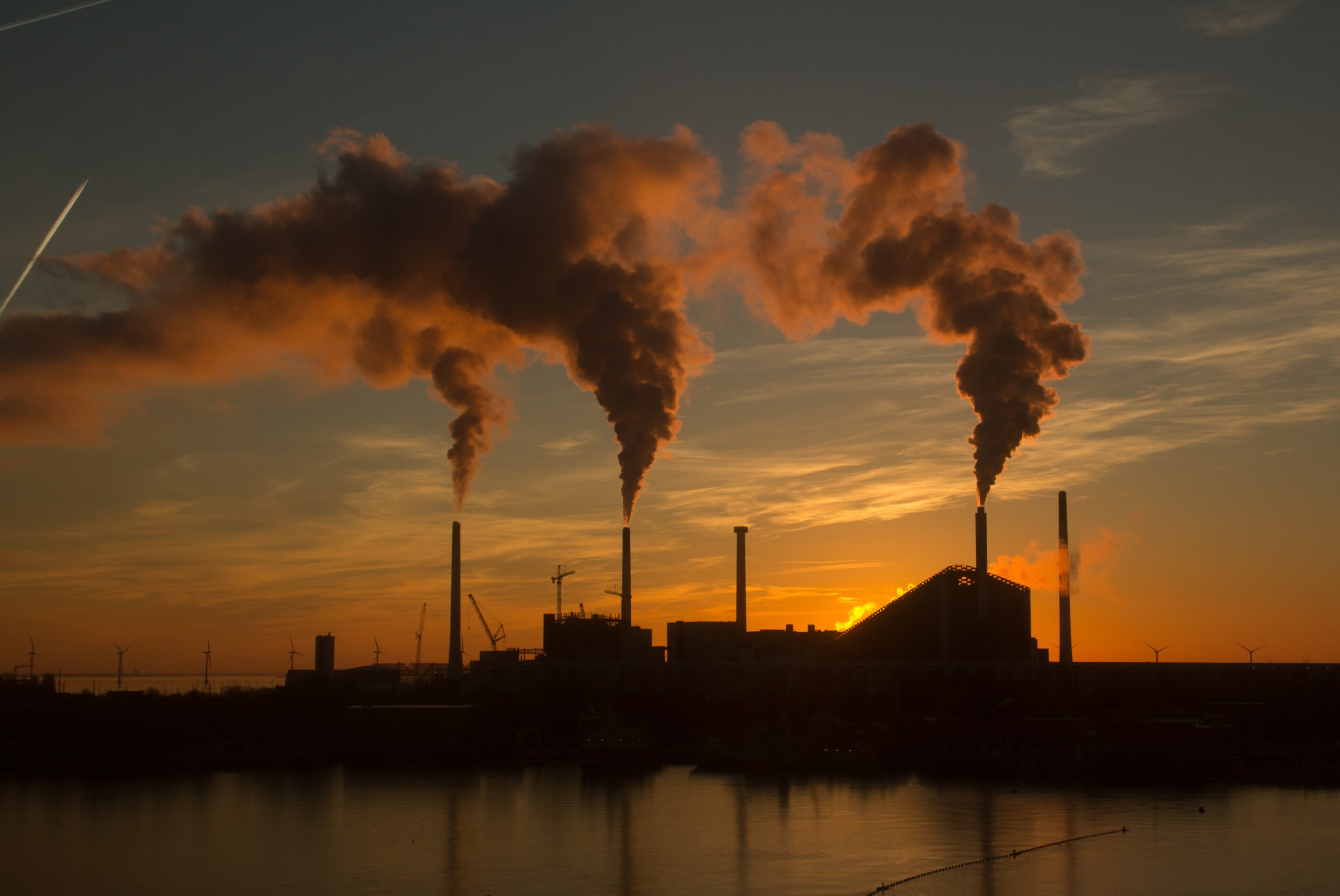
FLEXHYON is moving from ideas towards practical implementation. The project has already identified sectors and industrial applications (drying of ceramic tiles, drying of granular feed, extraction and distillation from biomass treatment) where fossil-based heat is most difficult to replace and where electrified solutions can deliver the greatest benefit. This includes analysing temperature needs, process dynamics, and operational constraints.
Based on this understanding, hybrid electrified heating concepts are translated into industrial-ready systems. These systems are designed to be tested under conditions similar to real factories, allowing their performance, reliability, and operational feasibility to be assessed.
This step is essential. Industrial heat systems often remain in use for decades, and companies need confidence that new solutions will work safely and consistently outside laboratory environments. Demonstrating performance in realistic settings is therefore a key part of enabling wider adoption.
Why electrified industrial heat also matters for energy security
Industrial heat is closely tied to fossil fuel imports. As long as production depends on gas, oil, or coal, industry remains exposed to price volatility and supply risks. Electrifying process heat, especially when powered by renewable electricity, can help reduce this exposure.
This is why industrial heat electrification is increasingly linked not only to climate policy, but also to competitiveness and resilience. By designing solutions that are scalable across sectors, FLEXHYON contributes to a broader shift towards a more secure and flexible industrial energy system.
Want to follow FLEXHYON progress and upcoming results? Visit our news section for the latest updates and insights from the project.